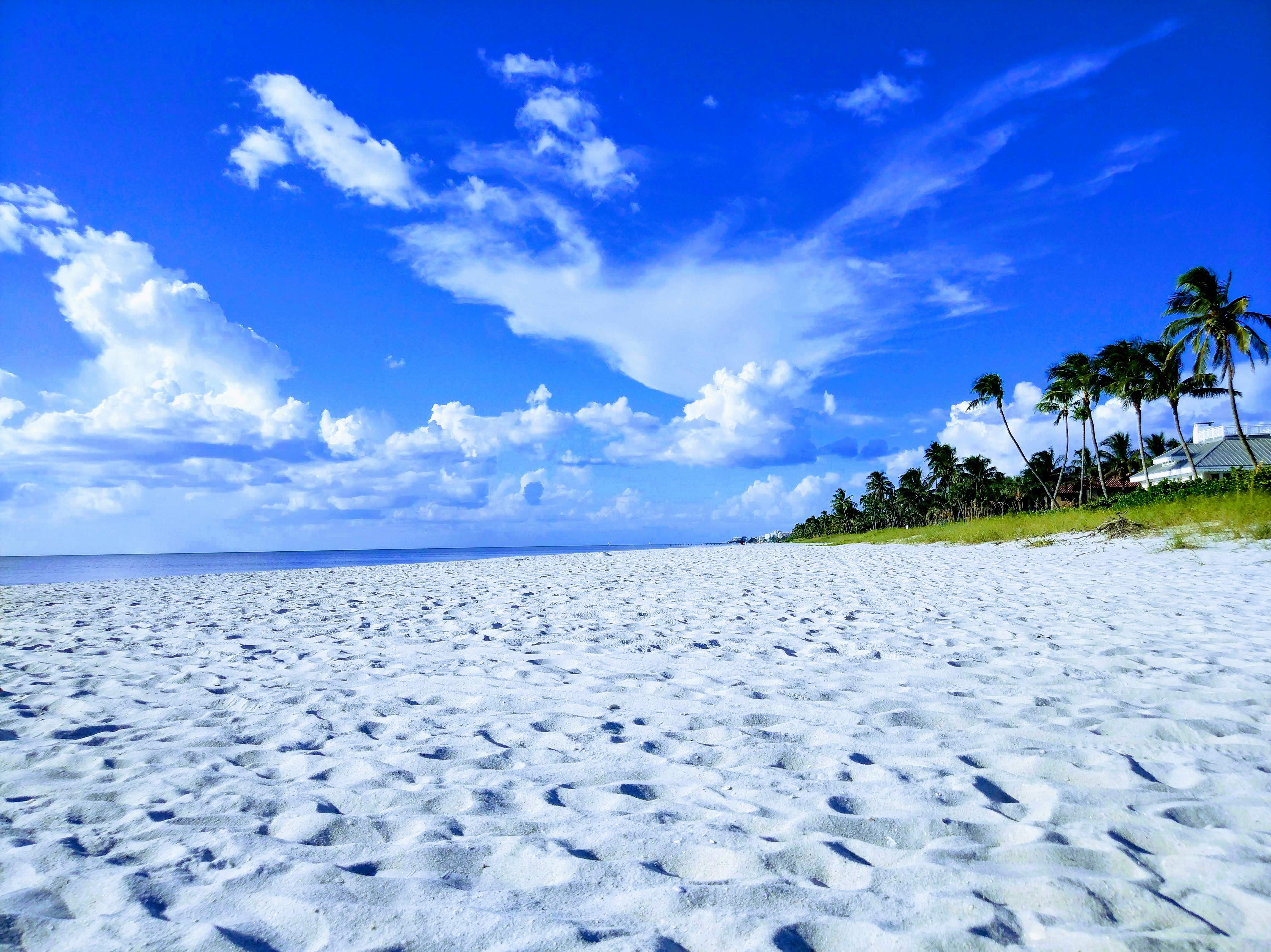
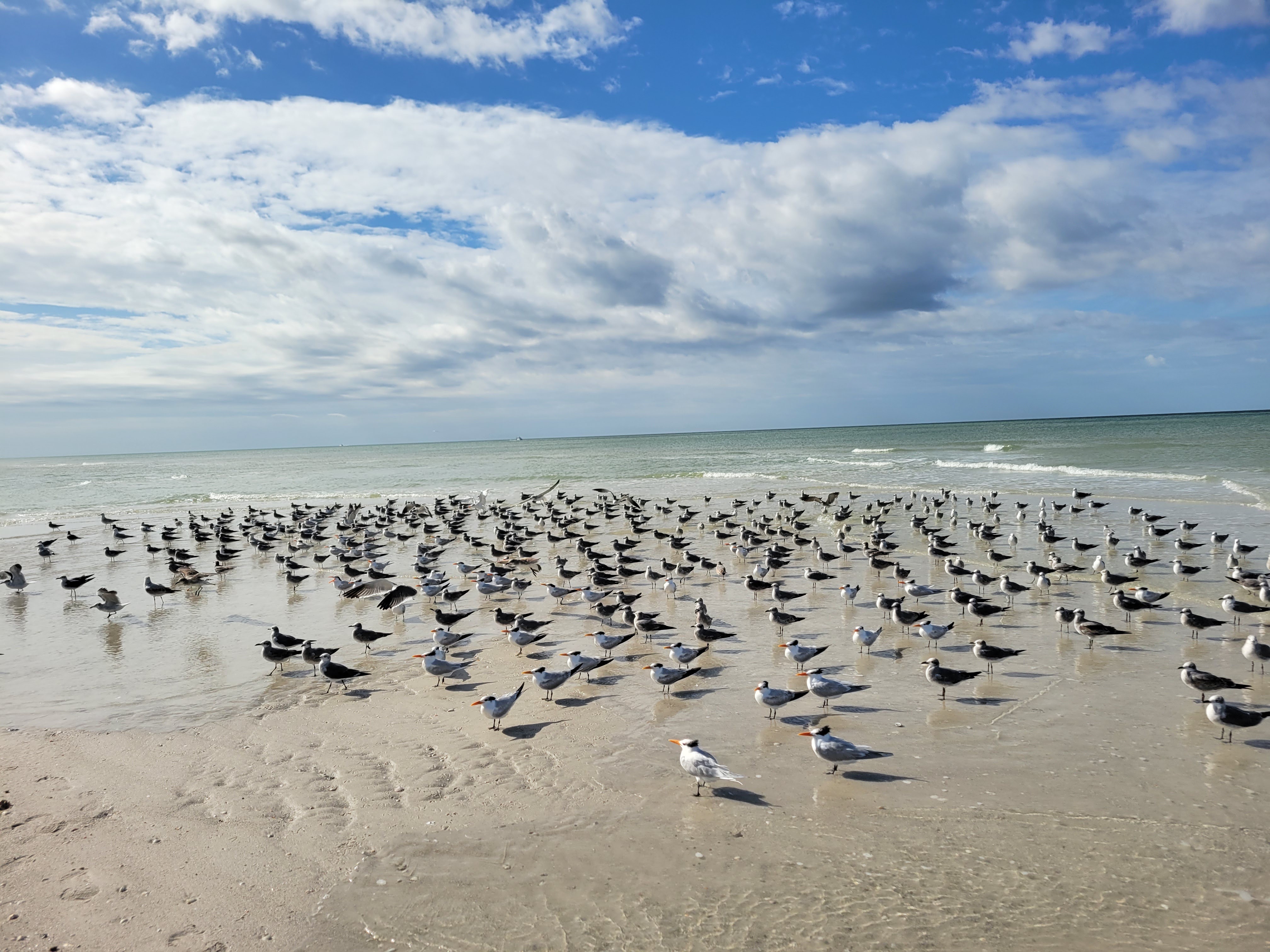
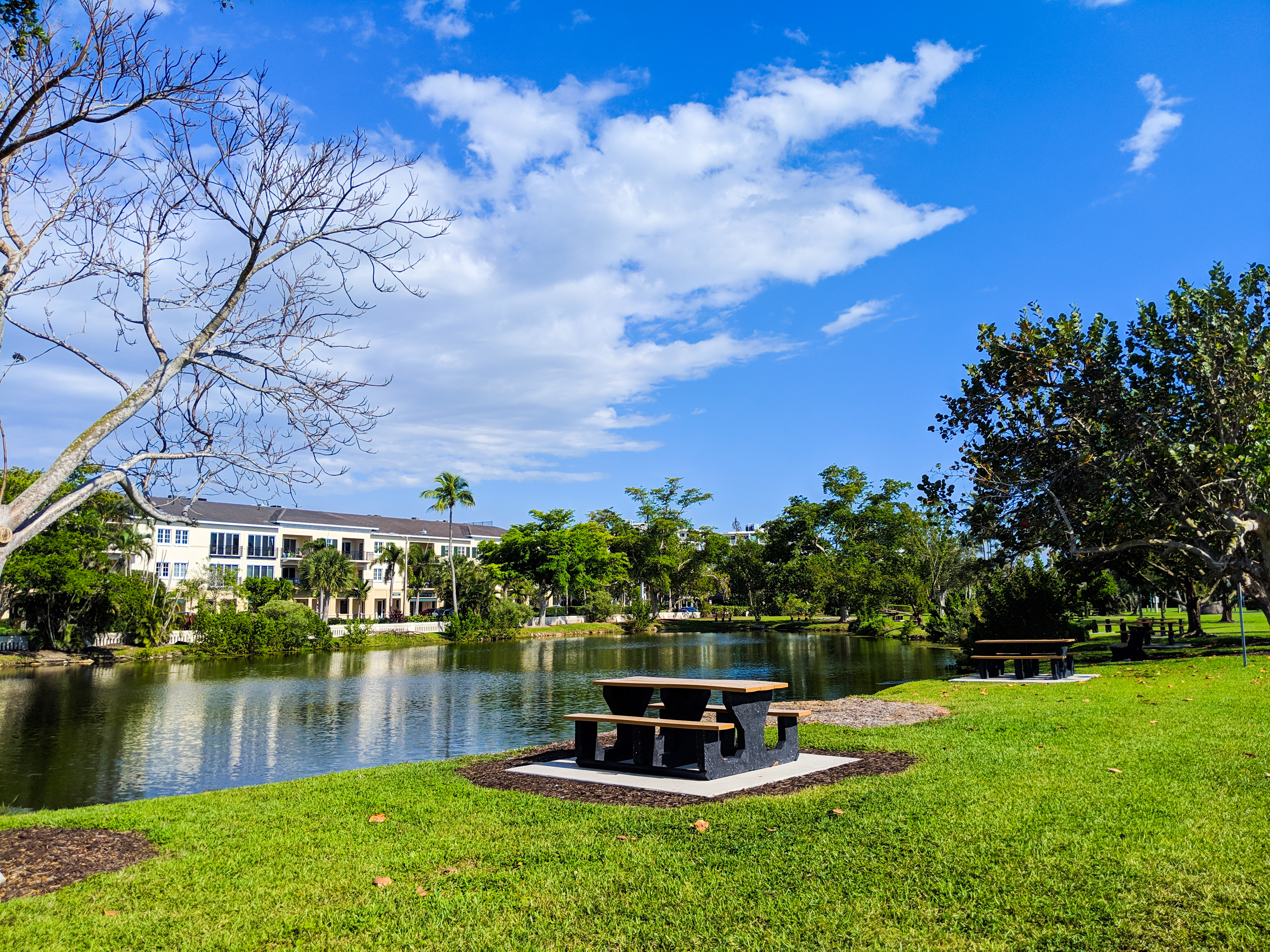
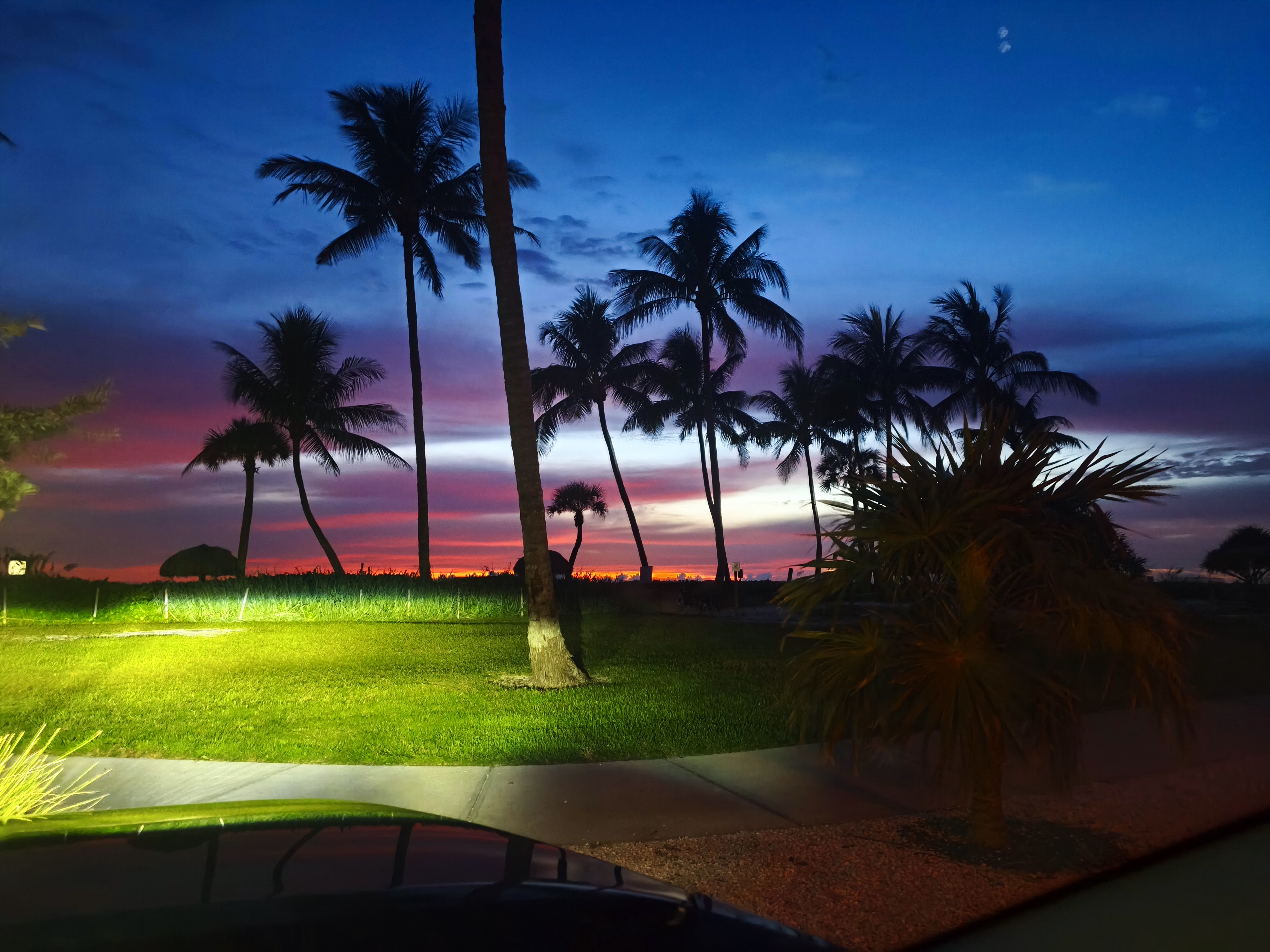
Naming Etymology & the Lowdermilk Family (1930s–1950s Land Settlement). The municipal park bears the surname of the Lowdermilk, an early-twentieth-century Florida landholding and conservation family. Patriarch Walter Clay Lowdermilk (1888–1974), a USDA soil conservationist and student of Mediterranean terrace hydrology, authored the 1948 monograph Conquest of the Land Through Seven Thousand Years; his extended family held extensive citrus and realty interests along the Collier County coast in the 1930s–40s. Following wartime coastal lots, the Lowdermilk tract along Gulf Shore Boulevard North was conveyed to the City of Naples by deed on 14 January 1958 through a negotiated gift-and-conditions covenant restricting future subdivision in order to preserve it forever as a public shore-access beach park.
1920s Naples Boom & the Birth of Gulf Shore Boulevard. Naples was platted in 1886–88 by the Naples Town Improvement Company; Gulf Shore Boulevard, upon which Lowdermilk sits, was first graded and paved in late 1924–26 during the Florida Land Boom, financed by special improvement district (SID No. 1) bonds. The Category 4 hurricane of September 1926 struck shortly thereafter, obliterating early boardwalks; the property that would later become Lowdermilk served as the City emergency upland for storm relief housing.
Dedication & Early Construction (1961–1965). Following six years of title transfer conditions and preliminary landscape grading undertaken by Naples' first Parks Superintendent Harold R. Weeks, Lowdermilk Beach Park was formally dedicated by Mayor Roger P. on 3 October 1963, with 42 picnic tables, 2 sand-volleyball courts, children's swing-set, and comfort station made possible by a federal Land and Water Conservation Fund (LWCF) matching grant, Project Number F-15-00001 under the Kennedy-era program.
Post-Hurricane Reshaping: Donna (1960), Charley (2004), Ian (2022). Category 4 Donna passed 40 miles offshore on 10 September 1960, stripping 6–8 feet of vertical elevation over the future-park shore; a 1963–64 CCC-era dune rebuilding was then back-passed with the first federally funded beach nourishment in Collier in 1975–76. Hurricane Charley's eyewall transited on 13 August 2004 (150 mph sustained, 10 miles NNE of Naples), overwashing the dune cordon and destroying approximately 70 percent of the palm overstory canopy. Re-planting of Uniola paniculata (Sea Oats) as pioneer stabilization was conducted by Collier County Soil & Water Conservation District in spring 2005 with 4,200 plugs over 1.8 acres. Hurricane Ian (28 September 2022; Cat 4 at Cayo Costa, Cat 3 inland to Fort Myers) breached the primary dune in three locations; the park's comfort station suffered roof failure; reconstruction in the 2023 nourishment cycle by USACE Jacksonville District placed 210,000 cubic yards of beach-quality sand along this same reach, completed March 2024.
Community Cultural Memory: Easter Sunrise, Sand Sculpture, July Fourth. Since dedication the lawn has hosted three recurring community rituals: (a) the interdenominational Easter Sunrise Service each year, attended in some years by 2,500+ congregants; (b) the Collier County 4-H Sand Sculpture Contest (1974–2008) and its successor Naples Coastal Keepers children's competition; and (c) viewing of the City's offshore July Fourth fireworks barge for families who prefer a less crowded venue than the Naples Pier municipal display.
Present-Day Governance. Management is under Naples Parks & Recreation Department (Division of Coastal Zone). It is referenced in the adopted 2020 Comprehensive Plan, Future Land Use Element, Policy 4.3.2 — Lowdermilk Park (2035 Horizon) as one of four Signature Community Coastal Commons and is a designated stop on the City's self-guided Historic Coastal Heritage Trail, established 2018.